

This Content Is Only For Subscribers
Texas is known for its long, hot summers, but landlords here know the winters can still pack a punch. While the Lone Star State doesn’t see months of snow like the Midwest, a sudden cold snap—or even a historic freeze like the one we had a few years ago—can send tenants scrambling for warmth. And when that happens, the last thing you want is an HVAC system that can’t keep up.
In our last Maintenance Matters piece, Fall Roof & Gutter Checklist Before Winter Hits, we focused on protecting your property’s exterior from rain, wind, and ice. This time, let’s move inside and talk about something just as critical: making sure your heating system is ready before winter weather arrives.
Why HVAC Checks Matter for Landlords
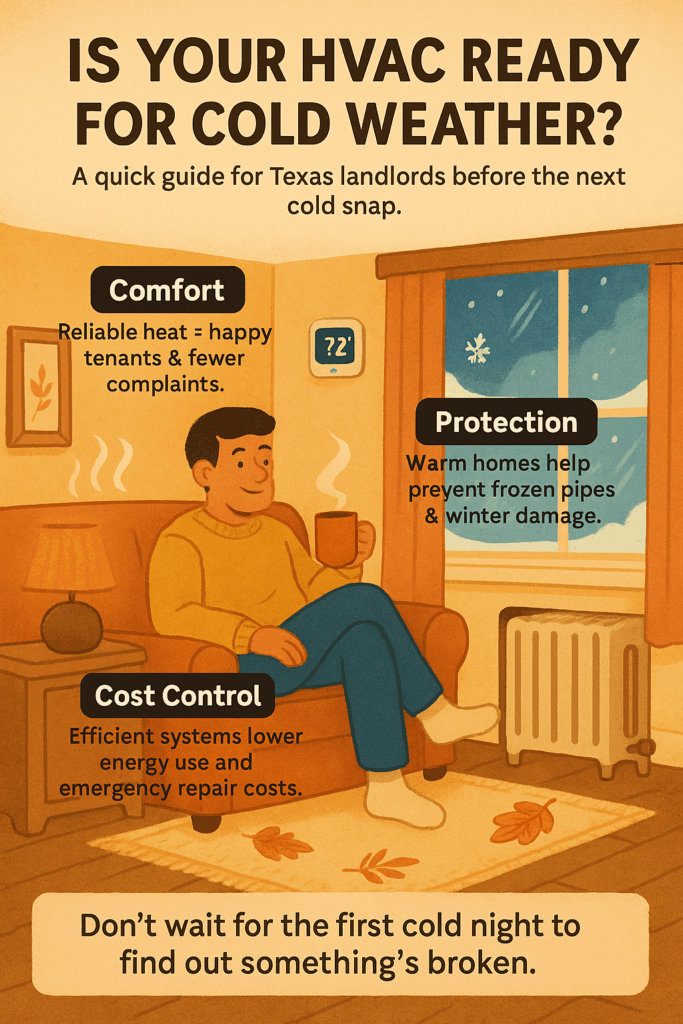
For tenants, a reliable heater means comfort. For landlords, it’s about more than keeping the house cozy—it’s about protecting your investment. A poorly maintained HVAC system doesn’t just leave renters unhappy; it can lead to frozen pipes, higher energy bills, and costly emergency calls. Worse, waiting until the first cold night to discover a problem almost always means you’ll be competing for attention with every other landlord and homeowner calling repair companies at the same time.
The Landlord’s HVAC Inspection Checklist
Here are a few quick but effective steps to make sure your property’s HVAC system is winter-ready:
- Replace or clean filters: Dirty filters make the system work harder, drive up utility costs, and reduce air quality.
- Check the thermostat: A quick test ensures the system kicks into heat mode and responds correctly.
- Inspect ductwork: Leaks or blockages can waste heat and money.
- Look at the outdoor unit: Clear away leaves, dirt, or other debris that can restrict airflow.
- Schedule a professional tune-up: A licensed HVAC technician can spot issues like worn belts, low refrigerant, or electrical problems before they turn into emergencies.
These small steps can extend the lifespan of your system, save you money, and give your tenants peace of mind.
DIY or Professional Help?
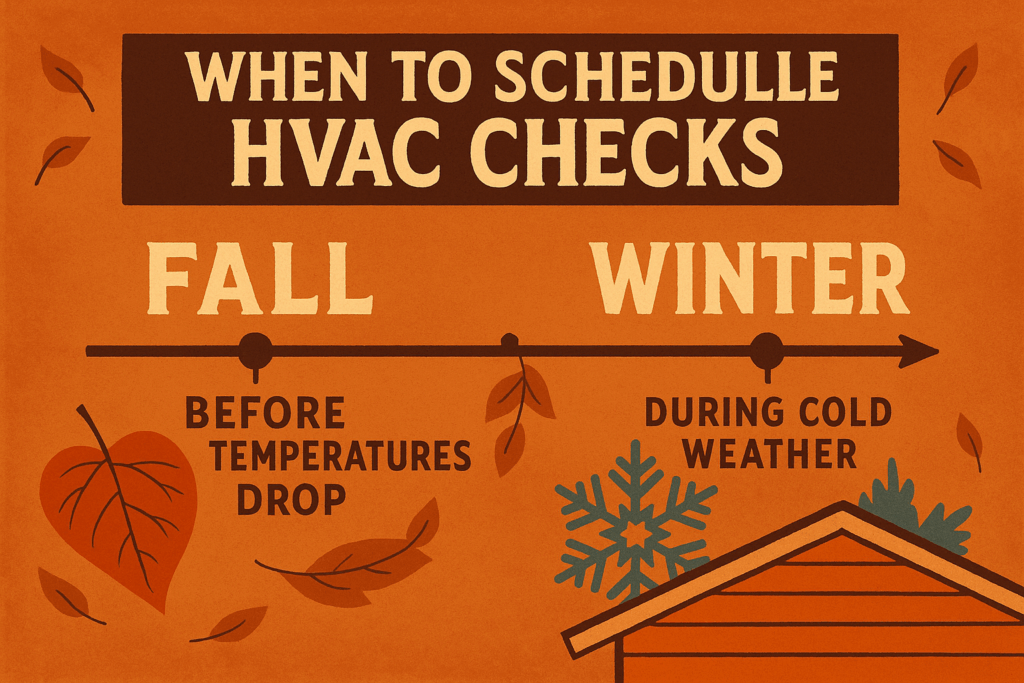
Landlords can handle simple checks—like swapping filters or turning on the heat to make sure it works—but HVAC systems are complex. Professional servicing is almost always worth the investment. In Texas, where one winter storm can cause major property damage, paying for an inspection in October or November often costs far less than scrambling for emergency repairs in January.
Building Goodwill with Tenants
Taking the initiative on HVAC maintenance also strengthens your relationship with tenants. When renters see that you’re proactive about their comfort and safety, they’re more likely to care for the property and renew their lease. A warm house in winter isn’t just a utility—it’s peace of mind.
The Bottom Line
As with roof and gutter maintenance, preventive action is the name of the game. Inspecting and servicing your HVAC system before cold weather arrives is one of the smartest steps a Texas landlord can take. It saves money, avoids emergencies, and helps keep both tenants and properties protected through whatever the season throws our way.


