

This Content Is Only For Subscribers
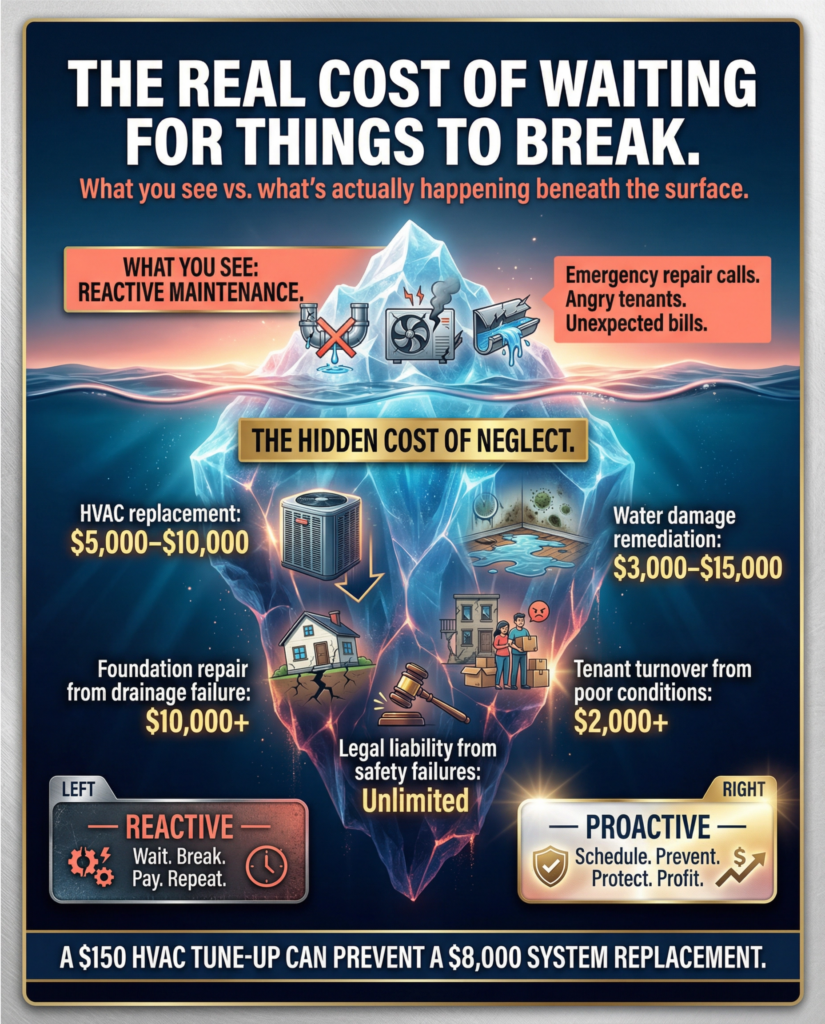
In this series, we’ve explored how technology can streamline your operations, from tracking tenant repair requests to automating rent collection. But the ultimate goal of a tech-forward landlord isn’t just to manage problems more efficiently; it’s to prevent those problems from ever happening. This is the core principle of preventive maintenance, and it’s an area where digital platforms offer a truly transformative advantage. It’s time to stop waiting for things to break and start using technology to build a proactive maintenance schedule that protects your assets for the long term.
The Fallibility of Human Memory
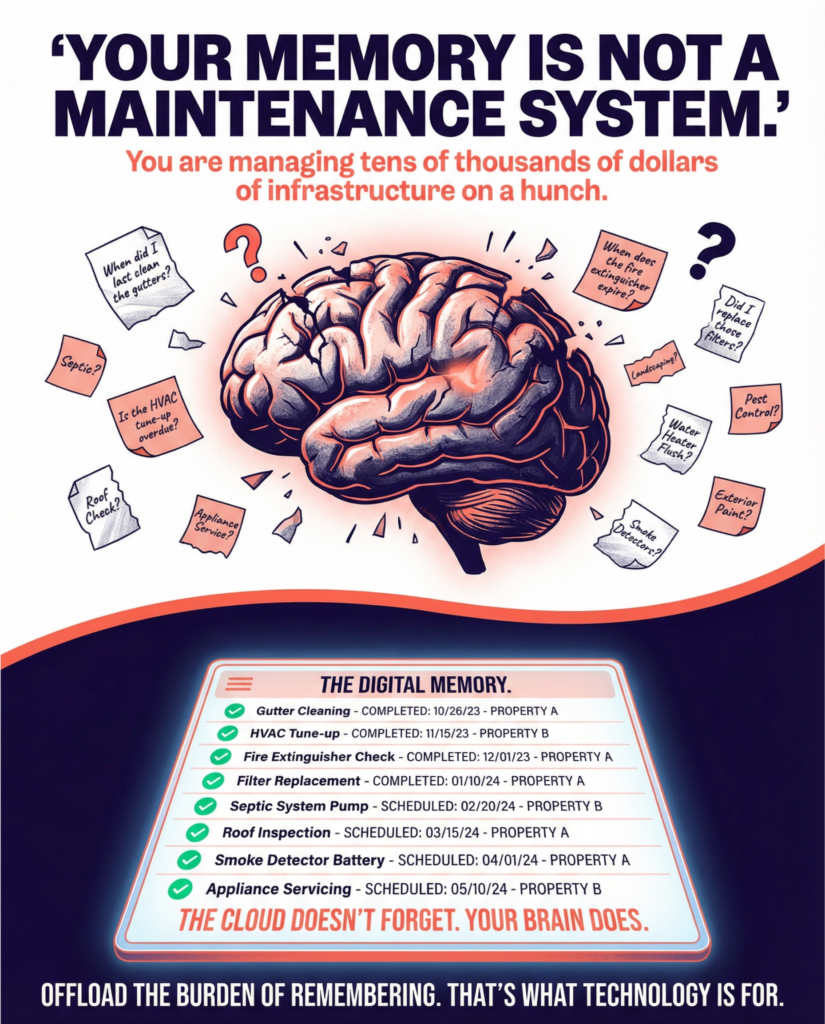
How often should you have your gutters cleaned? When was the last time you scheduled a professional HVAC tune-up for your property on Oak Street? When is the fire extinguisher at your duplex due for its next inspection? If you can’t answer these questions instantly, you’re relying on your memory to manage tens of thousands of dollars of critical infrastructure. This is a fundamentally flawed system. Human memory is fallible. A busy month, a personal distraction, or the simple passage of time can cause you to forget a crucial task, leading to a costly failure down the road.
The Power of the Recurring Task
The digital solution to this problem is elegant and incredibly powerful: the recurring task. This feature, which is a cornerstone of every project management and property management platform, is your key to building a “set it and forget it” preventive maintenance program. The concept is simple: you create a task once, and you tell the system to automatically recreate that task on a repeating schedule. You are offloading the burden of remembering from your brain to the cloud.
Here’s how you can build your digital preventive maintenance schedule from the ground up:
1.Choose Your Platform: As we’ve discussed, this could be an all-in-one property management suite, a general project manager like Asana or Trello, or even a simple task manager like Todoist.
2.Create a “Preventive Maintenance” Project: Create a dedicated project or board for each property you own. This is where the maintenance schedule for that specific asset will live.
3.Brainstorm and Schedule Every Task: Go through your property system by system and create a recurring task for every single preventive maintenance item. Be specific and assign a clear, actionable title.
Your Digital Preventive Maintenance Template:
Here is a starter list of tasks you should immediately program into your system for each property:
•Task: Schedule Professional HVAC Tune-Up
•Recurrence: Every year on March 1st.
•Notes: Attach contact info for your preferred HVAC vendor.
•Task: Replace HVAC Air Filters
•Recurrence: Every 3 months (e.g., Jan 1, Apr 1, Jul 1, Oct 1).
•Task: Clean Gutters and Downspouts
•Recurrence: Every 6 months (e.g., April 15th and November 15th).
•Task: Schedule Professional Pest Control Service
•Recurrence: Every 3 months (or as per your vendor’s recommendation).
•Task: Test All Smoke/CO Detectors and Replace Batteries
•Recurrence: Every year on March 1st.
•Notes: Add a sub-task to check the expiration date on each detector.
•Task: Clean Refrigerator Coils
•Recurrence: Every year on May 1st.
•Task: Clean Dryer Vent Line
•Recurrence: Every year on May 1st.
From Schedule to Actionable History
Once this system is in place, your role changes. You are no longer responsible for remembering what to do; you are simply responsible for executing the tasks that your digital brain serves up to you each week. As you complete each task, you check it off. If the task generated a receipt or a service report, you attach it to the completed task before archiving it. Over time, you are building an invaluable, searchable digital history of every preventive action taken on your property.
This has two profound benefits. First, when something does eventually fail, you have a perfect record of its service history, which can help diagnose the problem and can be essential for any warranty claims. Second, when it comes time to sell the property, you can present a potential buyer with a complete, professional maintenance log. This is a powerful demonstration of a well-cared-for asset and can directly increase the property’s market value.
By digitizing your preventive maintenance schedule, you are making a fundamental upgrade to your business model. You are moving from a system based on hope and memory to a system based on process and automation. You are ensuring that your properties are protected, that your tenants are safe, and that the long-term value of your investment is secure.


