

This Content Is Only For Subscribers
If you’re like most Texas landlords, you probably didn’t get into rental property ownership because you love paperwork. Managing leases, collecting rent, and handling maintenance requests are enough to juggle. Add in the piles of receipts and contractor invoices that build up over the year, and tax time can start to feel overwhelming.
In our recent article, Tech for Landlords: Accounting Software Every Landlord Should Try, we compared platforms like QuickBooks, Buildium, and Stessa, all of which help track income and expenses. But one feature worth zooming in on is automation—specifically, automating receipts and invoices. This small shift can save hours of bookkeeping time and keep you ahead when it comes to deductions.
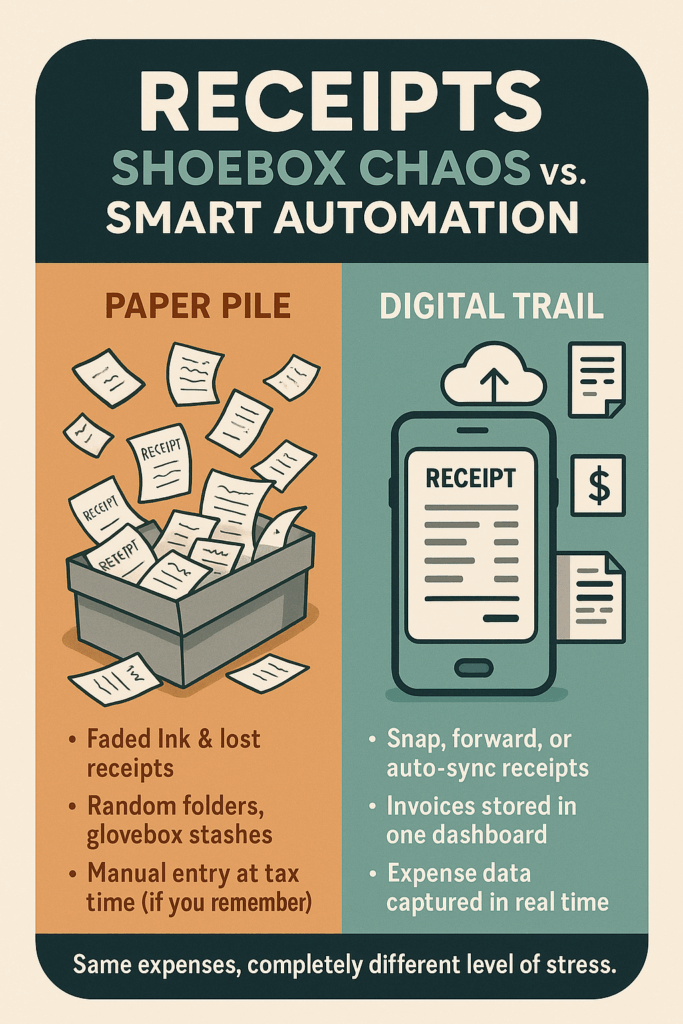
Why Automation Beats the Shoebox Method
For decades, landlords have tossed receipts in folders or shoeboxes, hoping everything would be there when tax season rolled around. The problem? Paper fades, gets lost, or ends up buried in the glovebox after a Home Depot run. Even emailed invoices can easily get overlooked in a crowded inbox.
Automated systems eliminate that stress. Instead of manually filing or entering each expense, digital tools capture the information for you. Take a picture of a receipt with your phone, and the software records the date, amount, and vendor automatically. Forward an emailed invoice, and it’s stored in your accounting dashboard without you lifting a finger.
How Texas Landlords Put It to Work
Here’s what automation looks like in practice:
- Mobile Receipt Capture: Snap a photo of a hardware store purchase, and it uploads straight to your accounting software.
- Email Syncing: Invoices from your plumber, roofer, or landscaper can be forwarded to a dedicated address, then sorted into the correct expense category.
- Smart Categorization: Platforms like QuickBooks or Stessa can automatically assign expenses to categories like “repairs,” “maintenance,” or “capital improvements.”
- Vendor Tracking: Keep a running history of who you paid, when, and for what service—without spreadsheets.
For Texas landlords managing multiple doors—whether in Houston, Austin, or smaller markets—this automation cuts down on bookkeeping time and keeps property finances tidy.
The Payoff at Tax Time
When April comes around, the IRS doesn’t just take your word for it. Clean, well-documented records make it easier to claim every deduction you’re entitled to, from roof repairs to pest control services. Automation ensures nothing slips through the cracks and creates a defensible paper trail if you’re ever audited.
Even better, most software can generate tax-ready reports, saving you and your accountant hours of prep. For landlords with growing portfolios, that kind of efficiency is priceless.
Final Thoughts

Automating receipts and invoice tracking isn’t about replacing your oversight—it’s about giving yourself more time to focus on what matters: keeping your properties occupied and profitable. It also builds peace of mind, knowing that every expense is captured and categorized properly.
If you’re still relying on paper files or trying to remember which vendor you paid last month, consider upgrading. As we noted in Tech for Landlords: Accounting Software Every Landlord Should Try, the tools are already here—and they’re built to make your life easier.
Your future self, and your accountant, will thank you.


