

This Content Is Only For Subscribers
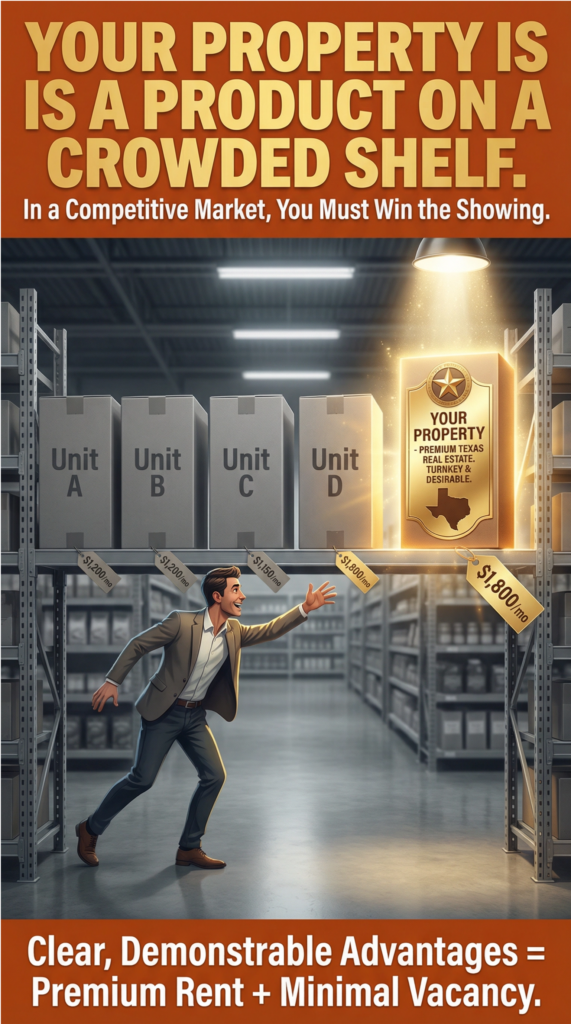
In a landlord’s market, where demand outstrips supply, filling a vacancy is relatively straightforward. A clean, safe property at a reasonable price will lease. But in a competitive market—where a prospective tenant has five similar units to choose from in a two-block radius—the game changes entirely. Your property is no longer just a commodity; it is a product on a crowded shelf. To command a premium rent and minimize vacancy, your product must have clear, demonstrable advantages over the competition. This is where strategic, market-aware upgrades move from a “nice-to-have” to a core component of your investment strategy.
Moving Beyond the Basics
In our main column, we discussed foundational upgrades like efficient HVAC systems and outdoor living spaces. Those are essential. But in a truly competitive market, you must assume your competitors have also covered the basics. The properties you are competing against are also clean, safe, and have functional systems. To win, you must invest in the features that create a “wow” moment during a showing—the tangible differentiators that a tenant can see and feel, and that they won’t find in the unit next door.
These upgrades are not about extravagant spending. They are about a shrewd understanding of the modern renter’s lifestyle and priorities. Here are three categories of upgrades that consistently deliver outsized returns in competitive markets.
1. The “Work-From-Home” Amenity Package
The shift to remote and hybrid work is the single most significant demographic trend to impact the rental market in a generation. Tenants are no longer just sleeping and eating in their apartments; they are running their professional lives from them. A property that actively caters to this reality has a massive competitive advantage.
•Built-in Desk Nooks: Identify an underutilized corner or closet and convert it into a dedicated workspace. A simple built-in desk with good lighting and a few shelves is a powerful visual cue that you understand the tenant’s needs.
•Upgraded Connectivity: Partner with a local internet provider to pre-install high-speed fiber optic service. Offering “gigabit internet included” is a powerful marketing tool and can be a deciding factor for any remote worker.
•Enhanced Lighting and Power: Ensure every potential workspace has excellent, layered lighting and an ample supply of electrical outlets, including some with built-in USB charging ports.
2. The “Smart Home” Starter Pack
Tenants, particularly in the millennial and Gen Z demographics, have grown up with technology at their fingertips. A property that feels “smart” feels modern and secure. While a fully automated home is overkill, a starter pack of key devices can make a huge impression for a relatively low capital outlay.
•Smart Locks: A keyless entry system, controlled by a keypad or smartphone app, is a huge convenience and security upgrade. It eliminates the cost and hassle of rekeying between tenants and provides a modern, tech-forward first impression.
•Video Doorbells: For single-family rentals or units with a private entrance, a video doorbell like a Ring or Nest Hello is a powerful security feature that tenants value highly.
•Smart Lighting: In key areas like the kitchen or entryway, installing smart switches or bulbs that can be controlled by voice or an app adds a touch of sophistication and convenience.
3. The “Lifestyle Storage” Solution
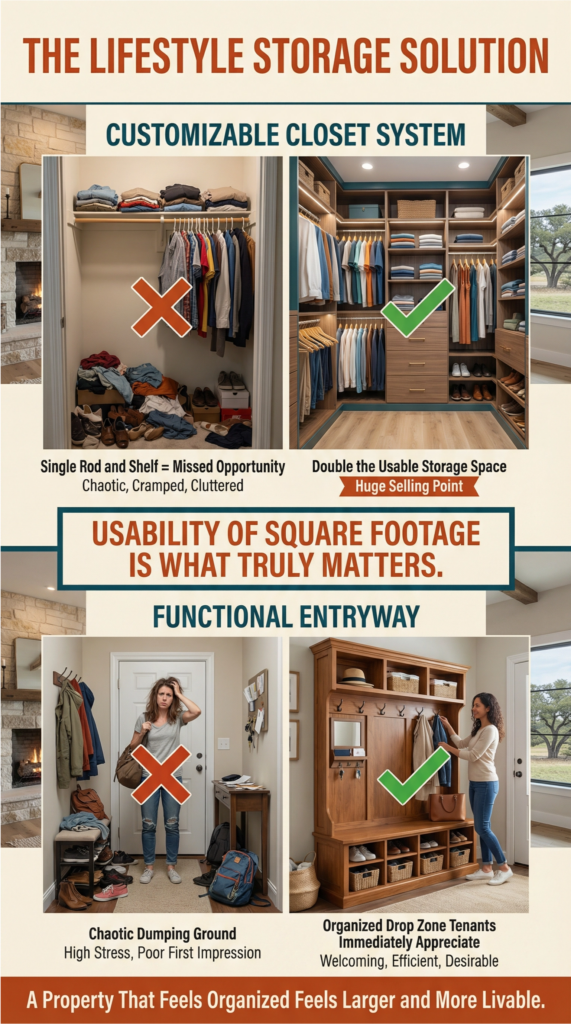
While square footage is important, the usability of that square footage is what truly matters. Clutter is a major source of stress, and a property that offers intelligent, built-in storage solutions feels larger and more livable.
•Customizable Closet Systems: Basic closets with a single rod and shelf are a missed opportunity. Installing a simple, modular closet system (like those from The Container Store or ClosetMaid) that includes double-hung rods, shelving, and drawers can double the usable storage space and is a huge selling point.
•Functional Entryways: The entryway is often a chaotic dumping ground for coats, shoes, and bags. Adding a simple hall tree or a built-in bench with cubbies and hooks creates an organized “drop zone” that tenants will immediately appreciate.
In a competitive market, the winning landlord is the one who thinks like a product designer. By investing in these targeted, lifestyle-oriented upgrades, you are doing more than just renovating a property. You are creating a superior product that is specifically tailored to the needs of the modern renter. This is how you justify a higher rent, attract a better quality of tenant, and win the battle for their lease.


