

This Content Is Only For Subscribers
Tax season can be stressful for any landlord, but knowing what might trigger an IRS audit can make all the difference. While audits are never guaranteed, understanding common red flags—and how to avoid them—can give Texas landlords peace of mind and help keep their financials in top shape.
Know the Depreciation Rules
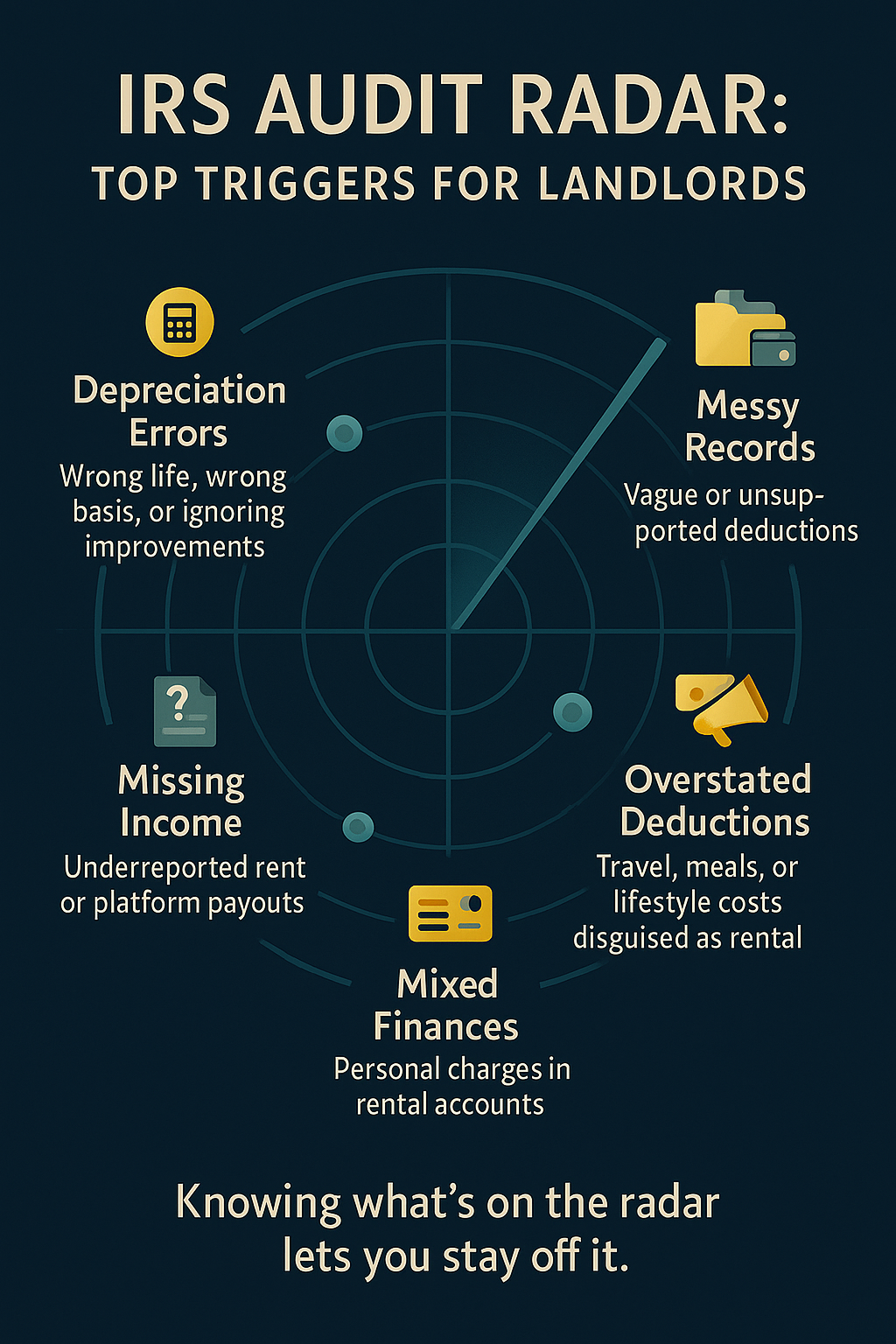
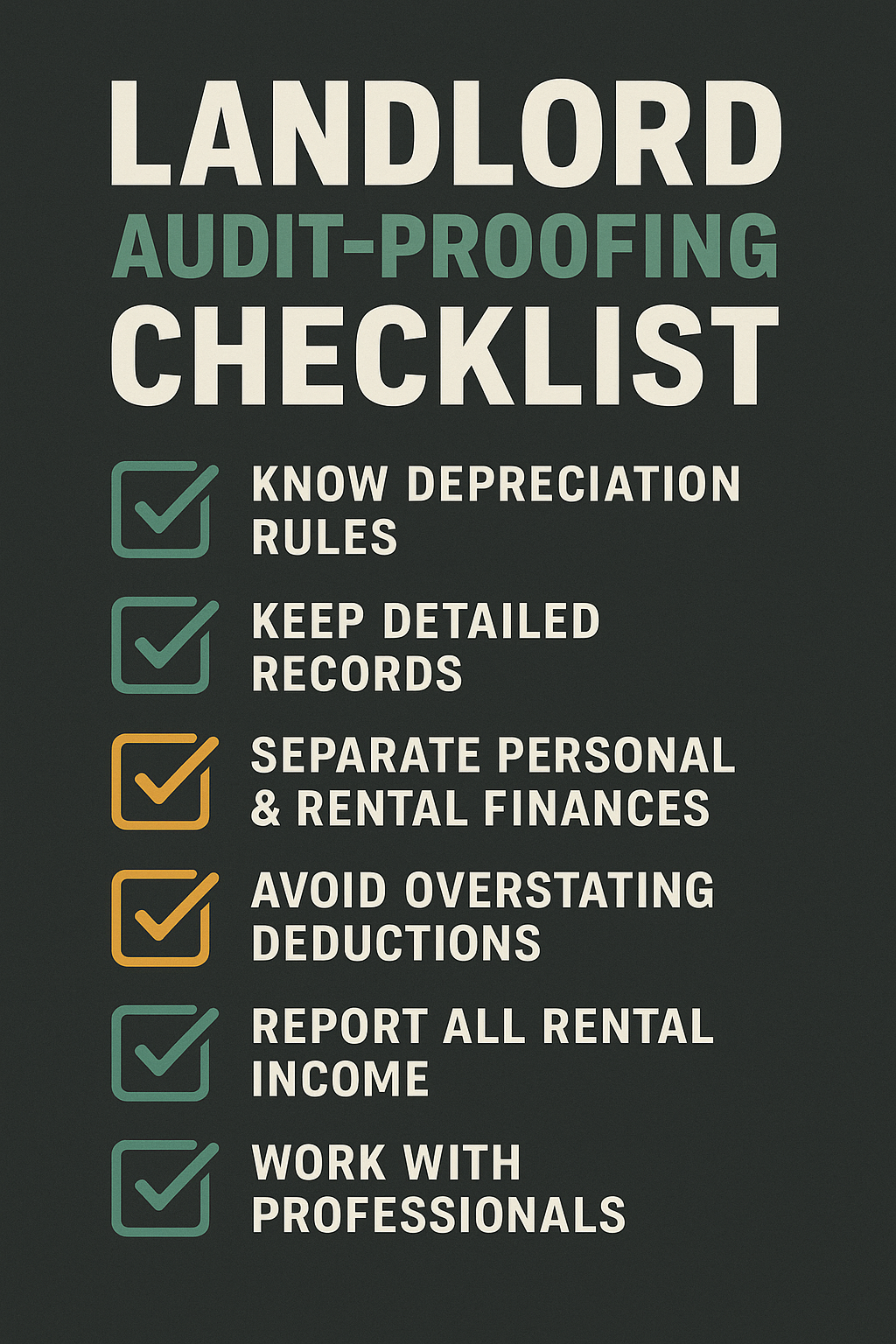
Depreciation is one of the biggest deductions for landlords, but mistakes here are a common audit trigger. As discussed in Landlord Legal Lowdown: Understanding Depreciation Rules for Texas Rentals, residential rental property is depreciated over 27.5 years, while commercial property is depreciated over 39 years. Claiming too much depreciation, using the wrong recovery period, or failing to account for improvements properly can raise IRS scrutiny. Always double-check your calculations or rely on a qualified CPA.
Keep Detailed Records
The IRS loves documentation. Receipts for repairs, improvements, utilities, and professional services should be organized, dated, and stored securely. Landlords often get into trouble by claiming vague deductions or failing to provide proof of expenses. Digital records, photos, and organized filing systems make audits less stressful and ensure every deduction is legitimate.
Separate Personal and Rental Finances
Mixing personal and rental accounts is a fast track to audit scrutiny. Landlords should maintain separate bank accounts and credit cards for each property. This separation not only simplifies bookkeeping but also demonstrates to the IRS that your rental activity is a legitimate business, reducing questions about misclassified expenses.
Avoid Overstating Deductions
While it’s tempting to maximize every deduction, claiming expenses that are not directly related to your rental property can draw attention. Examples include personal travel, meals, or entertainment incorrectly reported as rental expenses. When in doubt, consult your CPA or err on the side of caution.
Report All Rental Income
All rental income, including short-term rentals and Airbnb earnings, must be reported. Underreporting—even unintentionally—can trigger audits. Platforms often send IRS copies of 1099s, so your records should match what the IRS receives. Transparency is key.
Work with Professionals
Engaging a CPA or experienced property manager can be invaluable. These professionals are familiar with common pitfalls, IRS requirements, and the latest tax law updates. Their guidance can help you avoid errors, optimize deductions, and prepare thorough documentation in the event of an audit.
Bottom Line
Being proactive is the best defense against IRS audits. Texas landlords who understand depreciation rules, maintain meticulous records, separate personal and rental finances, and report all income accurately are far less likely to draw unwanted attention. With careful planning and professional guidance, you can enjoy the tax benefits of your rental properties without the added stress of an audit.


