

This Content Is Only For Subscribers
In our recent feature Investor Corner: Year-End Market Outlook: Hold or Buy? we explored the big-picture question of whether Texas landlords should acquire new properties or hold steady heading into the new year. But zooming in on the months that close out the calendar, what should landlords expect in the rental market as 2025 winds down?
Texas landlords know that the final quarter of the year doesn’t always follow the same rules as the spring and summer boom. Seasonal shifts, interest rate chatter, and the broader economy all mix together to shape how strong demand feels and where rental prices land.
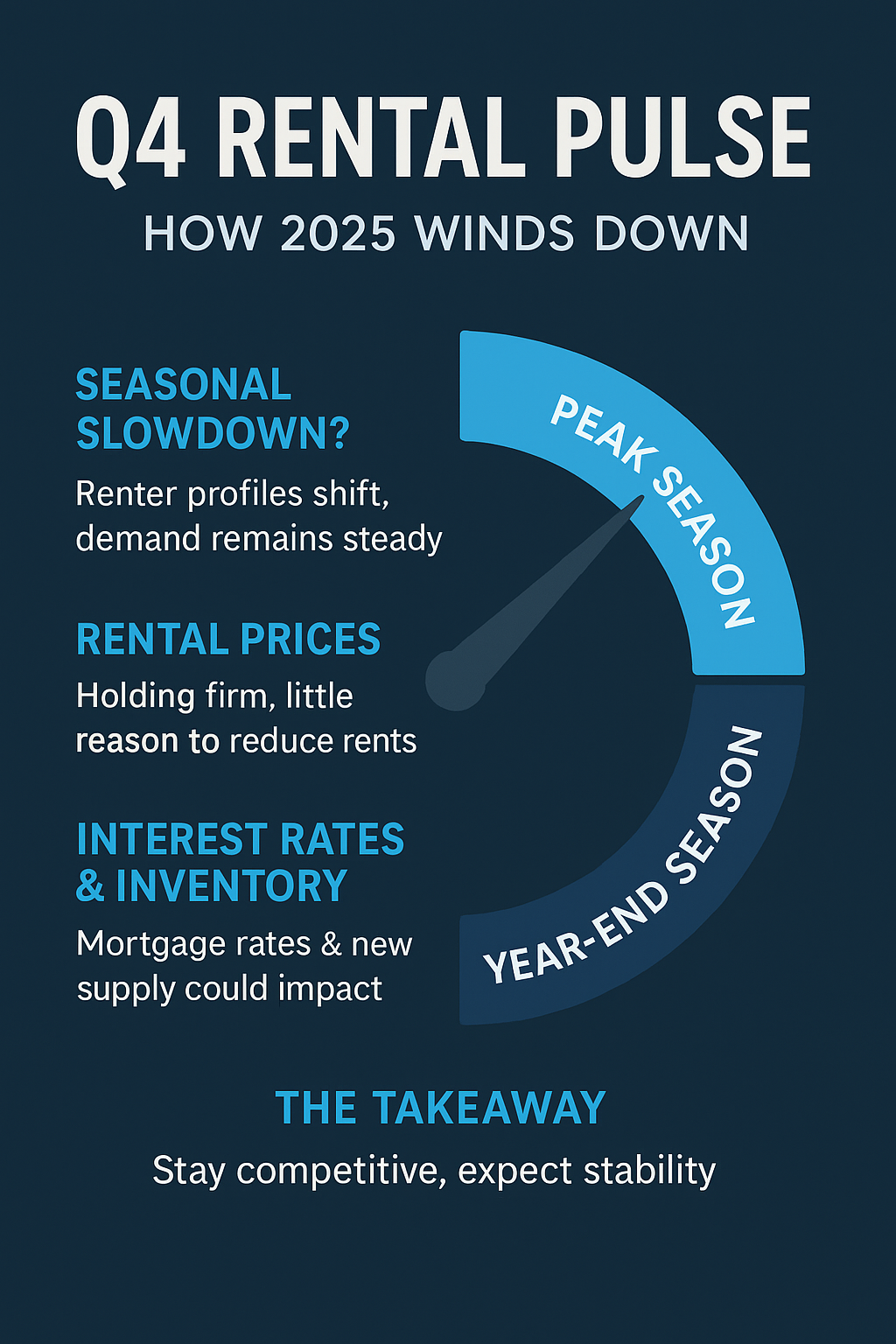
Seasonal Slowdown — or Just a Shift?
Traditionally, winter months see fewer people moving. Families prefer to settle in before the school year, and holiday travel often takes priority over apartment hunting. That trend still exists, but in cities like Austin, Dallas–Fort Worth, Houston, and San Antonio, the state’s rapid population growth has softened the dip.
Instead of falling demand, many landlords are seeing what might be better described as a “shift” in renter profiles. Students, young professionals relocating for new jobs, and people responding to corporate transfers often move during the colder months. That means rental traffic doesn’t vanish—it just changes shape.
Rental Prices Holding Firm
Texas property values have climbed steadily over the past several years, but rent growth has been more nuanced. Year-end typically brings slower rent hikes, but the state’s high demand keeps prices from sliding significantly.
According to recent housing data, Austin’s rental market has stabilized after explosive growth, Houston remains more affordable but steadily rising, and Dallas continues to attract corporate relocations. For landlords, this means holding steady on pricing can be a smart move. Aggressive increases may scare off applicants, but there’s little need to cut rents if demand remains healthy.
Watch Interest Rates and Inventory
One of the biggest wildcards is still mortgage interest rates. If rates dip, more renters may jump into home-buying, slightly loosening demand for rentals. On the flip side, higher borrowing costs keep more people in the rental pool longer.
Inventory also matters. New construction in Texas metros has added apartments at a rapid clip, but not enough to keep pace with population growth. As long as the state keeps attracting newcomers, landlords should expect their vacancies to fill, even if it takes a little longer in December than in June.
A Landlord’s Playbook for Year-End
As we noted in Year-End Market Outlook: Hold or Buy? timing matters—but so does preparation. Here’s what Texas landlords should focus on in the final stretch of the year:
- Plan renewals smartly. Consider offering modest renewal incentives to keep good tenants in place over the holidays.
- Market strategically. Lean into digital marketing to reach movers who are relocating from out of state.
- Budget for maintenance. Winter storms in Texas are rare but costly—make sure roofs, gutters, and heating systems are ready.

The Takeaway
Year-end may not bring peak demand, but Texas landlords are still in a favorable position. By staying aware of renter behavior shifts, keeping rents competitive, and preparing for the unexpected, you’ll finish the year strong and be ready for opportunities in the new one.


