

If you manage rental properties, you know that small issues can escalate fast if not addressed promptly. A dripping faucet, a squeaky door, or a loose tile might seem minor today—but if ignored, these small problems can lead to larger repair bills and frustrated tenants. Quick, proactive handling of minor repairs not only protects your property’s value but also keeps tenants happy and more likely to renew.
Here’s how landlords across Texas can tackle minor repairs efficiently.
1. Keep a Reliable Toolkit on Hand
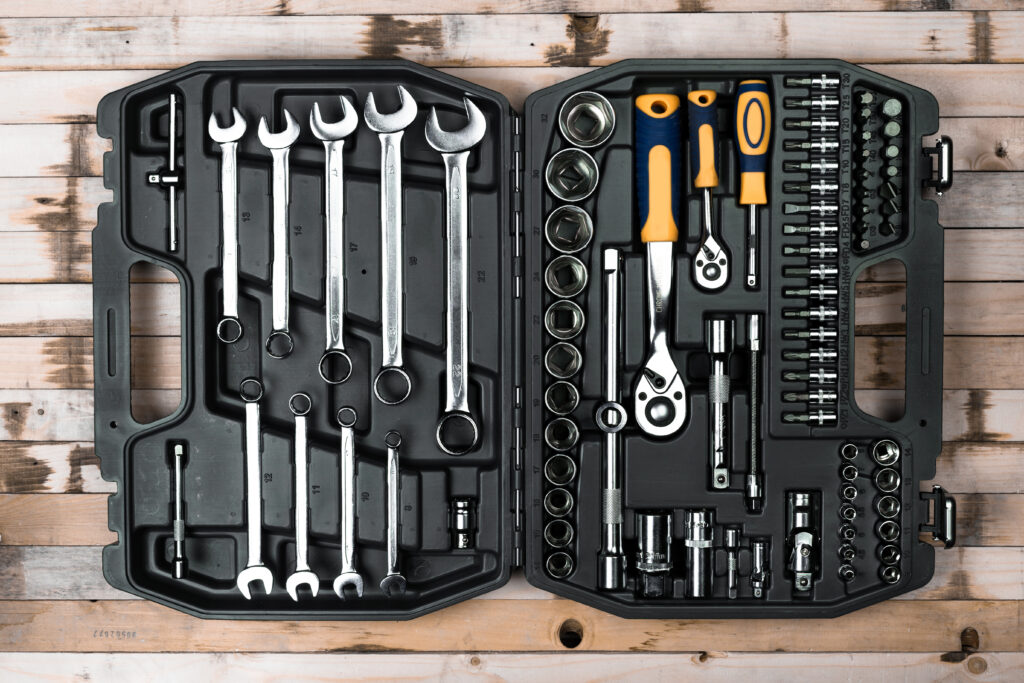
For common repairs, having the right tools ready saves time and avoids unnecessary calls to contractors. A basic toolkit might include screwdrivers, pliers, a cordless drill, a level, and plumbing tape.
Why it matters: Even older properties—whether in historic neighborhoods or newer developments—may have quirks like loose cabinet hinges or leaky faucets. Fixing them immediately prevents minor issues from worsening.
2. Prioritize Repairs by Urgency
Not all minor repairs are created equal. Use a simple system: urgent (affects safety or function), medium (inconvenient but not dangerous), and low (cosmetic issues).
Example: A leaking water heater valve is urgent, while a small scuff on a wall is low priority. Handling the most pressing issues first keeps tenants safe and reduces potential damage.
3. Document Everything
Whenever a tenant reports a minor repair, log it. Note the date, issue, action taken, and costs. Take photos before and after repairs.
Why it matters: Documentation protects you if a small repair later becomes a larger claim or dispute. Clear records are invaluable for any landlord, especially as tenant expectations and local regulations evolve.

4. Empower Tenants to Report Early
Encourage tenants to report issues promptly rather than letting them linger. Digital communication tools, like email or a maintenance portal, make reporting easy and create a clear paper trail.
Editor Tip: Remind tenants that small problems fixed quickly prevent emergencies later—like a leaky faucet turning into a water-stained floor.
5. Know Your Go-To Vendors
Even minor repairs sometimes require a specialist. Having trusted contractors for plumbing, electrical, or HVAC work allows you to schedule fast, reliable service without delays.
Why it matters: Skilled trades are in high demand statewide, so having pre-vetted vendors ensures timely and cost-effective repairs.
6. Learn Simple DIY Fixes
Some small issues can be handled in minutes with a bit of know-how: tightening cabinet hinges, unclogging drains, or replacing light fixtures. A few online tutorials can save hundreds in service calls over a year.
The Big Picture
Handling minor repairs quickly protects your investment and builds tenant trust. Renters appreciate landlords who respond efficiently, and it’s often the little things that keep them satisfied and committed to renewing. By staying organized, keeping tools and contacts ready, and prioritizing fixes, landlords can prevent small annoyances from turning into expensive headaches.
Key Takeaway: A proactive approach to minor repairs isn’t just maintenance—it’s tenant retention and property protection rolled into one. Landlords who act fast stand out for all the right reasons.


