

For many landlords across Texas, the idea of “firing” a tenant can feel uncomfortable—or even unthinkable. Evictions are stressful, time-consuming, and sometimes costly. Yet as highlighted in Should I Self-Manage or Hire a Property Manager? A Landlord’s Choice, knowing when to act is crucial. Sometimes, letting a problematic tenant stay can cost far more in money, time, and peace of mind than moving quickly to address the situation.
Whether you manage a single rental in a small Texas town or a multi-unit property in Houston, Dallas, or San Antonio, recognizing the warning signs early can prevent long-term headaches. Here are key indicators that it may be time to consider ending a tenant relationship.
1. Chronic Late or Missed Rent Payments
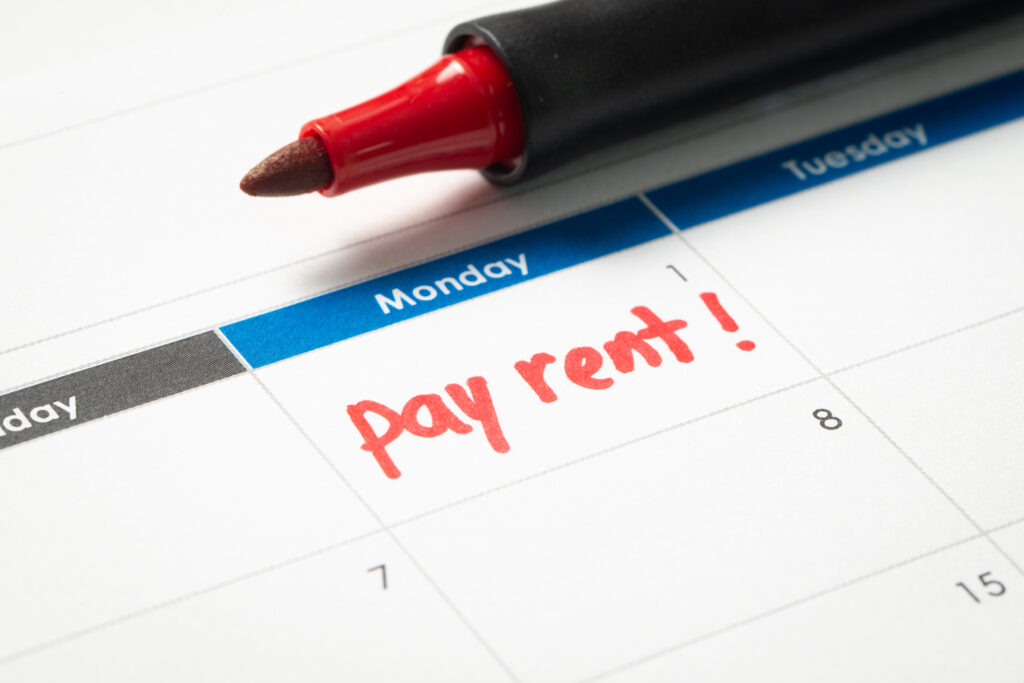
The most common reason for terminating a lease is consistent non-payment of rent.
What to watch for:
- Multiple late payments over several months.
- Ignored notices or broken promises to catch up on missed rent.
- Skipping partial payments or submitting post-dated checks repeatedly.
Why it matters: Whether your property is in Houston, Fort Worth, or El Paso, rent is the lifeblood of your investment. Chronic late payments threaten your ability to cover mortgages, insurance, HOA fees, or routine maintenance. Acting decisively early preserves cash flow and prevents financial strain.
2. Lease Violations and Property Damage
Repeatedly ignoring lease rules or damaging property signals a tenant who isn’t respecting your investment.
Red flags include:
- Unauthorized pets or occupants.
- Property damage beyond normal wear and tear.
- Noise complaints, neighbor disputes, or HOA violations.
Pro tip: Document everything—photos, emails, repair requests, or complaints. Clear, organized records make it easier to enforce lease terms and justify ending the tenancy legally. Across Texas, from urban high-rises to suburban single-family homes, documentation can mean the difference between a smooth eviction process and a prolonged dispute.
3. Illegal Activity or Safety Concerns

Any criminal activity—drug use, violent behavior, or illegal business operations—can endanger your property, other tenants, and neighbors.
Why it matters: Texas law allows landlords to terminate leases immediately in cases involving illegal conduct. Acting quickly protects your investment, reduces liability, and maintains a safe environment for all tenants.
Example: A landlord in Dallas noticed repeated reports of suspicious activity in a tenant’s unit. After documenting incidents and consulting legal counsel, the tenant was evicted before the situation escalated further, protecting both the property and neighboring residents.
4. Poor Communication and Unresponsiveness
While occasional lapses happen, tenants who consistently ignore repair requests, notices, or emergency communication can create ongoing headaches.
Why it matters: Texas landlords face weather extremes—from sweltering summers in Houston to occasional freezes in North Texas—making prompt reporting and repairs essential. Unresponsive tenants can allow small issues to turn into costly repairs.
Tip: Set clear communication expectations in your lease. Require tenants to report issues promptly and respond to landlord inquiries within a specified timeframe. Consistent enforcement helps maintain property standards and tenant accountability.
5. When a Property Manager Would Recommend Action
Even if you self-manage, consulting a professional property manager can provide clarity. Property managers make difficult decisions without emotional attachment, assessing whether tenant behavior warrants eviction or if intervention, mediation, or a warning notice may suffice.
Insight: A manager might identify patterns you missed—frequent late payments, repeated lease violations, or signs of declining property care—and recommend action before the problem worsens.
Final Thoughts
Firing a tenant isn’t a decision to make lightly, but avoiding it can be far more damaging than following the proper legal process. Across Texas, from fast-growing cities to smaller towns, maintaining reliable, respectful tenants is essential to protecting cash flow, avoiding unnecessary stress, and preserving long-term property value.
Whether you self-manage or work with a property manager, recognizing the signs early—chronic late payments, lease violations, illegal activity, or poor communication—can save time, money, and headaches. Acting decisively and professionally ensures your investment remains protected, your tenants remain safe, and your rental business runs smoothly.
Remember: a well-maintained tenant roster is just as important as maintaining the property itself. Sometimes, the best decision you make as a landlord is to let go of a tenant who isn’t the right fit.


