

This Content Is Only For Subscribers
If you own rental property, you know that each season brings its own set of challenges—and fall is no exception. One day it’s hot enough for the A/C to run all afternoon, and the next you’re dealing with cool nights, falling leaves, and the first signs of winter weather. For landlords, this seasonal shift is a reminder that proactive maintenance is not just a chore—it’s an investment in tenant comfort, property protection, and long-term value.
Preventive upkeep has two big benefits: it keeps repair costs predictable and helps strengthen your relationship with tenants. Renters notice when landlords stay ahead of problems, and a property that feels safe, efficient, and well-maintained is far more likely to attract responsible tenants and keep them renewing.
Here’s a comprehensive fall maintenance checklist for landlords across the country—whether you’re managing a single-family home in suburban Texas, a duplex in Ohio, or a multi-unit building in the Northeast.
1. Give HVAC Systems a Fall Tune-Up
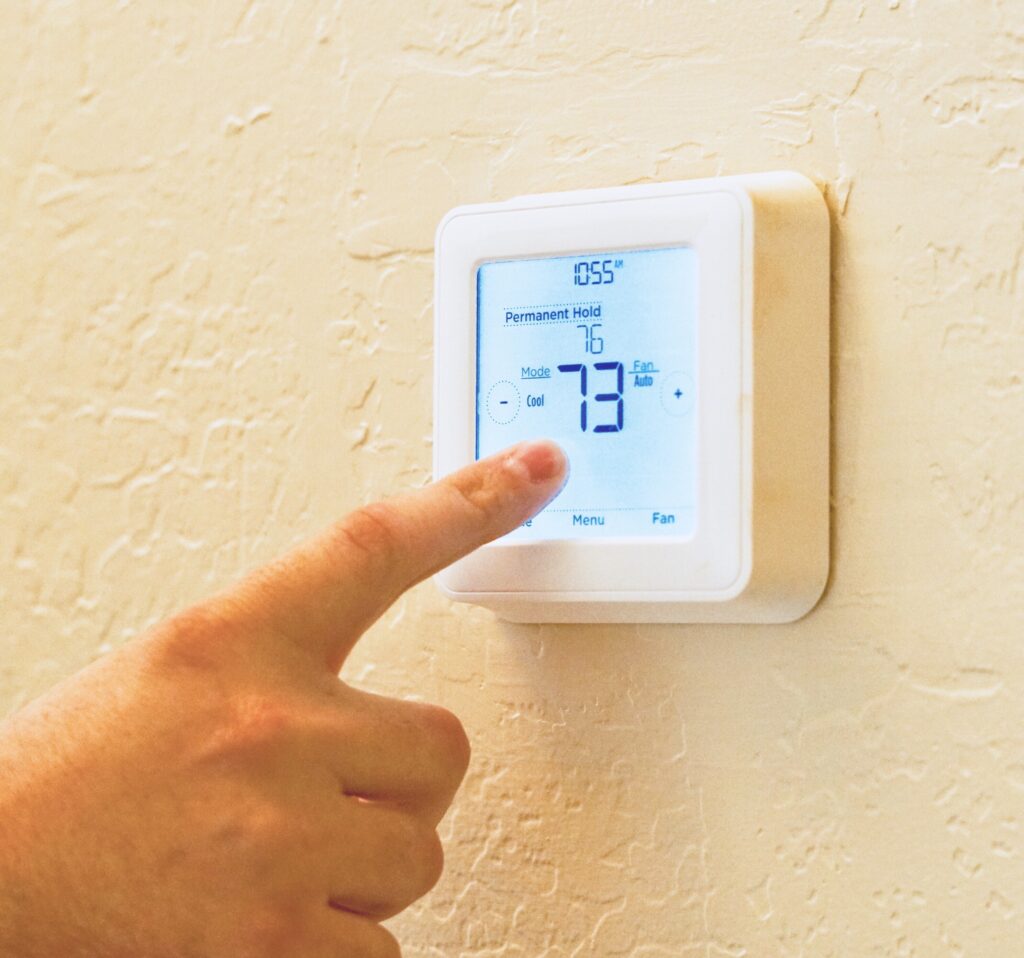
Cooling season may be winding down, but reliable heating is non-negotiable once temperatures drop. Dust buildup, clogged filters, or worn parts can turn a chilly night into a tenant complaint.
A professional HVAC tune-up typically includes inspecting both heating and cooling components, checking for leaks, tightening connections, cleaning burners, and calibrating thermostats. Even small adjustments can improve efficiency and prevent unexpected breakdowns.
- Replace air filters—especially in areas with high pollen or wildfire smoke.
- Clean vents and ducts to reduce allergens and improve airflow.
- Remind tenants to replace filters regularly between visits.
“Scheduling HVAC maintenance in the fall is crucial, especially in regions like Texas where winters can be unpredictable,” notes Champion AC & Plumbing in Austin.
“A well-maintained heating system not only ensures comfort during cold snaps but also helps prevent costly breakdowns when you need it most.”
Why it matters: HVAC repairs are among the most expensive landlord expenses. A $100–$200 tune-up today can save you from a $3,000–$7,000 replacement later. It also shows tenants that you care about their comfort, which can improve retention.
2. Inspect Roofs and Gutters Before Storm Season
Leaves, storms, and heavy winds can cause real trouble if gutters and roofs are neglected. A single clogged downspout can create water pooling that damages foundations, siding, and landscaping.
- Clear gutters and check that downspouts direct water away from the property.
- Look for missing shingles, cracked flashing, or hail damage from summer storms.
- Trim overhanging branches before winter storms weigh them down.
Don’t just look at the roof from the ground—hire a professional or climb safely for a closer inspection. Many insurance companies deny coverage for “lack of maintenance,” so a fall check can also protect you in case of future claims.
Why it matters: Water damage is one of the top insurance claims among landlords. A roof inspection in the fall can save thousands in spring repairs and keep tenants from facing leaks or mold growth.
3. Seal Windows and Doors for Energy Efficiency
Tenants are increasingly mindful of energy costs, and many cities now require landlords to meet certain efficiency standards. Drafty windows and doors not only frustrate renters but also raise utility bills and reduce comfort.
- Replace cracked or worn weatherstripping.
- Inspect window seals for condensation or leaks.
- Test locks and latches to ensure security.
This is also a great time to caulk around window frames or add insulation film. Some landlords even offer tenants energy-saving kits with draft stoppers or LED bulbs—it’s a small gesture that shows proactive care.
Why it matters: Energy-efficient homes rent faster and can even justify modest rent increases in some markets. A $50 weatherproofing investment can easily pay for itself in tenant satisfaction.
4. Service Appliances and Water Heaters
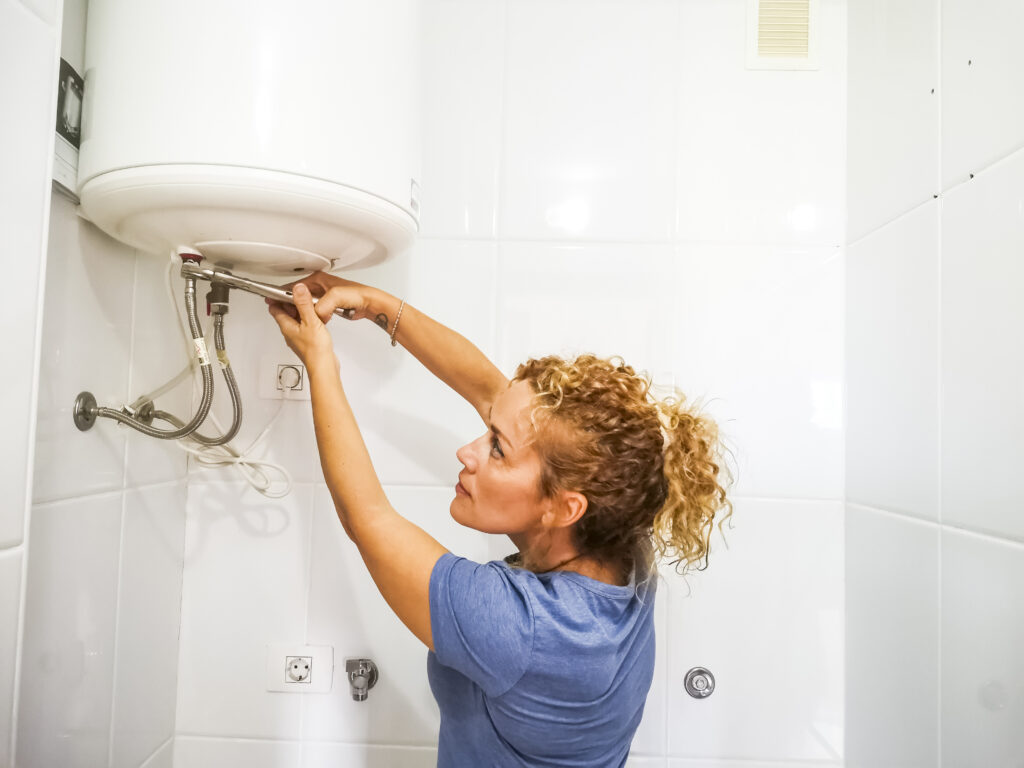
Appliances often work overtime in the summer months, and fall is the perfect reset point before the holiday season.
- Flush water heaters to clear sediment, especially in hard-water regions.
- Inspect washer and dryer hoses for cracks or leaks.
- Vacuum refrigerator coils to improve efficiency.
- Check dishwashers and ovens before holiday use.
Don’t overlook the small details—something as simple as a dryer vent clogged with lint can become a fire hazard.
Why it matters: Preventive servicing helps avoid emergency replacements and keeps tenants happy. Few things strain landlord-tenant relationships like a broken water heater or oven right before Thanksgiving.
5. Check Plumbing and Irrigation Systems
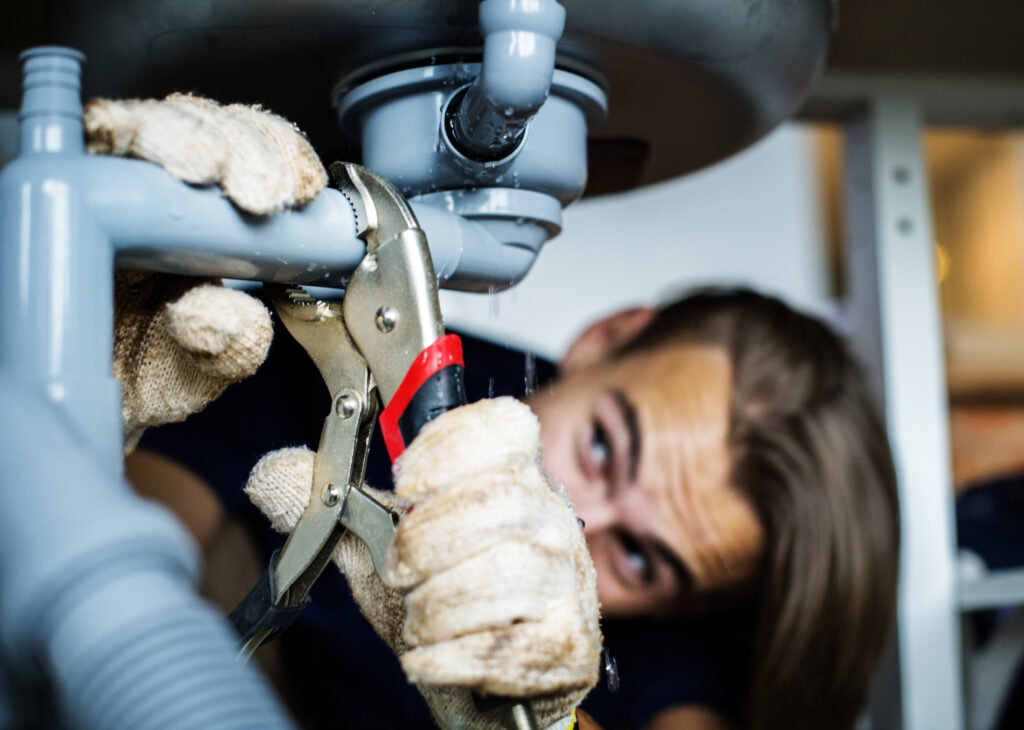
Even in areas with mild winters, a sudden freeze can wreak havoc on pipes. Irrigation systems, meanwhile, need adjusting for shorter, cooler days.
- Inspect under sinks and around toilets for hidden leaks.
- Adjust sprinkler timers and look for broken heads.
- Winterize outdoor spigots with covers or insulation.
A simple faucet cover costs just a few dollars but can save you thousands if it prevents a frozen pipe from bursting.
Why it matters: Preventing leaks and frozen pipes protects both your investment and your tenants’ belongings, which helps avoid disputes and potential liability.
6. Refresh Outdoor Spaces
Curb appeal doesn’t take a holiday, and fall is a good time to prepare outdoor spaces for winter. A tidy property not only appeals to current tenants but also helps attract new ones if you’re planning to list in the spring.
- Clear fallen leaves to prevent slippery walkways and pest buildup.
- Trim shrubs and trees before storms.
- Inspect fencing, decks, and patios for loose boards or posts.
Landscaping also provides a chance to reduce liability. Removing dead branches before winter storms prevents them from falling on vehicles, roofs, or tenants.
Why it matters: First impressions count. A clean, safe, and well-maintained exterior signals professionalism to tenants and neighbors alike.
7. Test Safety Devices
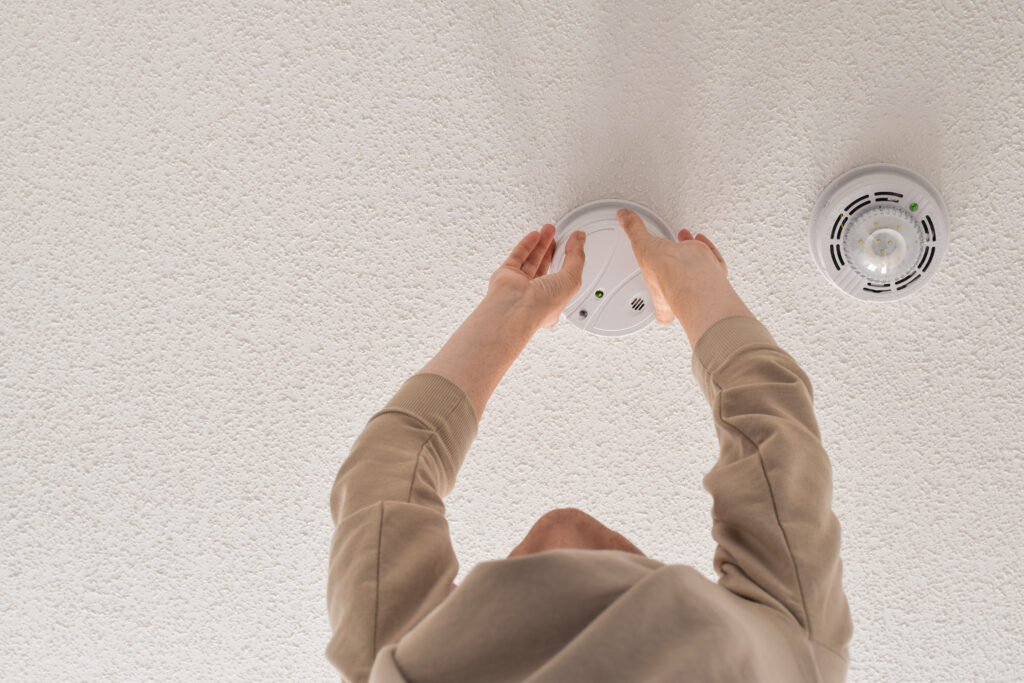
Fall is the season of shorter days and increased indoor activity—making safety checks especially important.
- Replace batteries in smoke and carbon monoxide detectors.
- Confirm fire extinguishers are in working order.
- Check stairway lighting and outdoor security lights.
Many landlords use the fall time change as a reminder: “change your clocks, change your batteries.” It’s also smart to provide tenants with fire safety reminders before the holidays, when cooking-related accidents spike.
Why it matters: Safety isn’t just good practice—it’s a legal requirement. Staying ahead reduces liability risks and can even help lower insurance premiums.
8. Review Pest Control Measures
When temperatures dip, pests look for shelter—and rental properties are a prime target. Preventive measures in the fall keep infestations at bay.
- Seal gaps around doors, windows, and utility lines.
- Schedule preventive pest treatments.
- Provide tenants with reminders about food storage and trash handling.
Rodents can chew through wiring and cause thousands in damage, while insects can make a property unlivable. Preventive pest control is far less costly than remediation.
Why it matters: An infestation is one of the fastest ways to lose tenant trust. Prevention ensures a healthier, more comfortable living environment.
9. Communicate With Tenants
Maintenance is easier when tenants are informed and involved. Clear communication in the fall helps prevent misunderstandings during winter.
- Send reminders about reporting leaks, drafts, or HVAC issues quickly.
- Share seasonal tips like keeping faucets dripping during a freeze.
- Start renewal conversations if leases expire in spring.
A seasonal newsletter or checklist can be a great tool. Tenants who feel included in the process are more likely to take care of the property themselves.
Why it matters: Proactive communication builds trust and increases the likelihood of tenant renewals, which directly reduces vacancy costs.
10. Plan Ahead for Winter

Not all winters are harsh, but being unprepared is costly when extreme weather strikes.
- Stock inexpensive supplies like faucet covers or pipe insulation.
- Keep an updated vendor list for plumbing, HVAC, and emergency repairs.
- Share winter prep tips with tenants, especially if they’re new to the region.
Landlords in northern climates may need to arrange snow removal contracts in advance, while those in the south should still plan for occasional freezes or ice storms.
Why it matters: Preparation reduces panic—and expense—when severe weather arrives unexpectedly.
Final Thoughts
Seasonal maintenance is about more than keeping a property in working order—it’s about protecting your investment, strengthening tenant relationships, and avoiding unnecessary costs. Fall is the perfect time to get ahead of issues before winter stress tests your systems.
Think of this checklist as part of your long-term property management strategy. A weekend of inspections and preventive work now can save thousands in repairs later. Even better, it strengthens your reputation as a landlord who cares—making your rentals stand out in a competitive market.


