This Content Is Only For Subscribers
When the Texas heat sets in, humans aren’t the only ones seeking refuge in air-conditioned spaces. Summer brings a massive surge in pest activity. Ants march toward the kitchen, roaches seek out moisture, and rodents look for safe places to nest. For a property manager, a pest infestation is more than just a nuisance; it is a primary driver of tenant dissatisfaction and turnover.
The reactive landlord waits for the frantic phone call about a cockroach in the bathroom before calling an exterminator. By that point, the infestation is already established, the tenant is unhappy, and the treatment will be expensive and disruptive. The proactive landlord, however, understands that pest control is fundamentally about exclusion and prevention. Here is how to prepare your rental units for a pest-free summer.
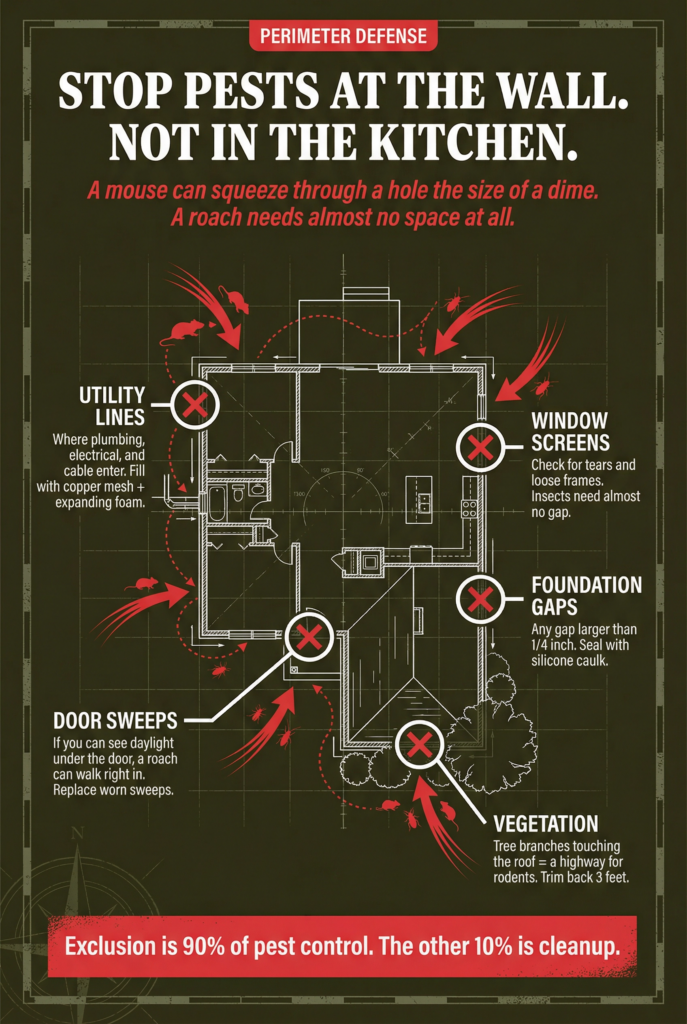
The Exterior Perimeter: Your First Line of Defense
Effective pest control begins on the outside. If you can stop pests from breaching the building envelope, you eliminate the vast majority of interior problems.
Sealing the Envelope
Grab a tube of high-quality exterior silicone caulk and walk the entire perimeter of the property. You are looking for any gap larger than a quarter of an inch. Mice can squeeze through holes the size of a dime, and insects need almost no space at all.
Pay special attention to the areas where utility lines (plumbing, electrical, cable) enter the home. These penetrations are notorious entry points. Fill larger gaps with copper mesh or steel wool before sealing them with expanding foam or caulk. Rodents cannot chew through the metal mesh.
Check the weatherstripping around all exterior doors, particularly the bottom sweep. If you can see daylight beneath the door, a roach can walk right in. Replace worn sweeps and ensure the door seals tightly against the threshold. Finally, inspect all window screens for tears and ensure they fit snugly in their frames.
Managing Moisture and Vegetation
Pests are drawn to moisture and cover. If your property provides both, you are inviting an infestation.
Inspect the foundation for any pooling water. Ensure that gutters are clear and downspouts are directing water at least three feet away from the house. A dripping outdoor spigot might seem minor, but to a colony of ants or a family of roaches, it is a reliable oasis. Fix any exterior leaks immediately.
Next, evaluate the landscaping. Tree branches should never touch the roof, as they provide a direct highway for roof rats and squirrels. Shrubs and bushes should be trimmed back at least a foot from the exterior walls. This “defensible space” prevents moisture from being trapped against the siding and eliminates the cover pests use to navigate around the perimeter undetected.
The Interior Inspection: Eliminating Attractants
Once the exterior is secure, move inside to eliminate the conditions that allow pests to thrive. Pests need three things: food, water, and shelter. Your goal is to deny them all three.
The Kitchen and Bathrooms
The kitchen is the epicenter of most pest problems. Pull out the refrigerator and stove if possible. These areas accumulate crumbs and grease, providing a buffet for roaches and rodents. Clean these hidden spaces thoroughly during the turnover process.
Check the pantry and lower cabinets for any signs of droppings or chewed packaging. Seal any gaps around the plumbing pipes under the kitchen sink using the same steel wool and expanding foam method used on the exterior.
Bathrooms are the second most common problem area, primarily due to moisture. Ensure the exhaust fan is functioning properly to reduce humidity. Check under the bathroom sinks for slow leaks, and inspect the caulking around the bathtub and shower. Cracks in the caulk allow water to seep behind the walls, creating the perfect damp, dark environment for pests to nest.

Establishing a Professional Partnership
While sealing gaps and managing moisture are critical DIY tasks, professional chemical treatments are often necessary in the Texas climate.
Establish a relationship with a licensed, reputable pest control company. We recommend scheduling a comprehensive exterior perimeter treatment in the spring, just before the summer heat drives pests indoors. A professional barrier treatment is highly effective and far less intrusive than treating an active interior infestation.
Furthermore, clarify pest control responsibilities in your lease agreement. A standard best practice is for the landlord to guarantee the property is pest-free upon move-in, after which the tenant assumes responsibility for routine pest control. However, the landlord should always retain responsibility for wood-destroying insects (termites) and major rodent exclusions, as these threaten the structural integrity of the asset.