

This Content Is Only For Subscribers
You can have a well-priced home in a great Texas neighborhood, but if communication is a mess, your tenants won’t stay.
Most of the frustrations that push tenants to move—confusion about rules, slow responses, tension over repairs or rent increases—aren’t really about the house. They’re about how the conversation is handled.
The good news? You don’t need to be a customer-service wizard to keep tenants happy. You just need a simple communication system and a few habits you stick to.
Here’s how a property manager thinks about communication for single-family rentals in Texas—and how you can copy the playbook.
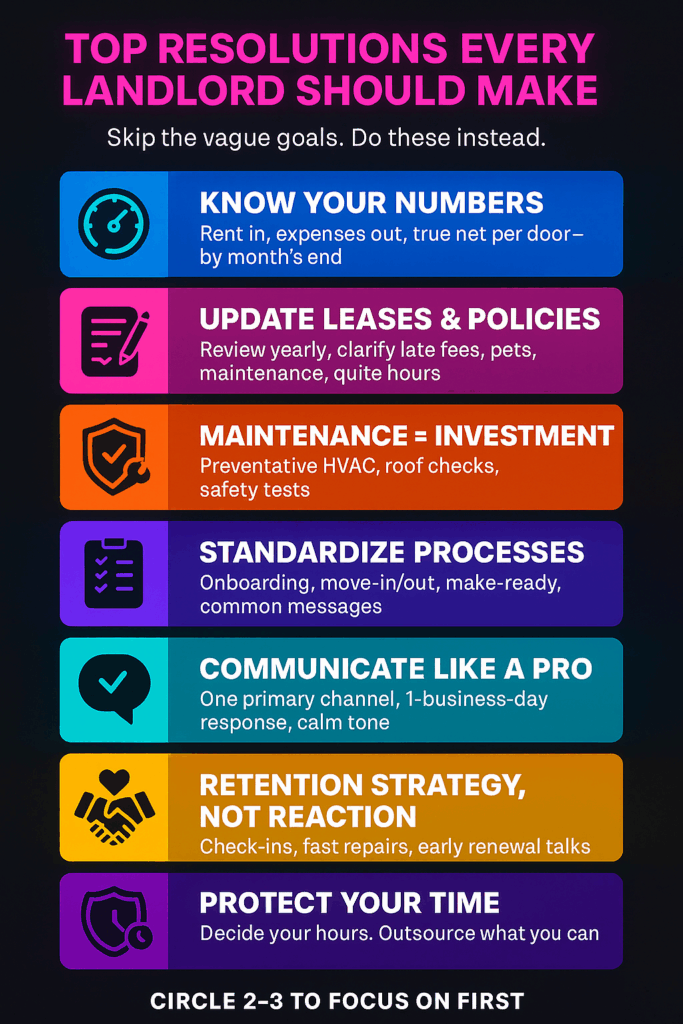
1. Choose One Main Channel (and Stick to It)
Problem number one for many landlords: communication is scattered. Some messages are in text threads, some in email, some through social media, some scribbled in a notebook.
Tenants don’t know where to reach you, and you can’t find anything when you really need it.
Pick one main channel for day-to-day communication and maintenance requests, such as:
- An online portal (if you use property management software)
- A dedicated email address
- A single phone number with text capability
Then tell tenants clearly at move-in:
“For any questions or maintenance requests, please use this: [portal link/email/number]. It’s the fastest way to reach us.”
You can still answer a quick text or occasional call, but always re-direct important issues back to that main channel so nothing falls through the cracks.
2. Respond Fast—Even If You Don’t Have the Answer Yet
Nothing makes tenants feel ignored faster than silence.
You won’t always be able to solve a problem immediately, but you can almost always acknowledge it quickly. For most issues, respond within one business day (sooner for emergencies) with something like:
“Thanks for letting us know. We’ve received your request and are working on next steps. We’ll follow up by [timeframe].”
That simple message tells tenants:
- You heard them
- You’re taking it seriously
- They don’t have to keep chasing you
Especially in Texas, where issues like AC failures or storm damage can feel urgent, that first response matters as much as the actual repair.
3. Set Expectations Up Front (Rules, Rent, and Repairs)
A lot of communication “problems” are really expectation problems.
If tenants know what to expect from you—and what you expect from them—there are fewer surprises and fewer arguments.
At or before move-in, clearly explain:
- How to request maintenance and what counts as emergency vs. routine
- How and when rent is paid, and what happens if it’s late
- Who handles yard work and pest control (a big deal in Texas)
- How often you do inspections and how much notice you’ll give
- Any HOA rules tenants need to follow (parking, trash, noise, etc.)
Put this in writing (welcome letter, handbook, or move-in packet) and go over the highlights in person or on a call. Tenants are much happier when they’re not guessing what the rules are.
4. Be Clear, Not Clever
When things get tricky—late rent, denied requests, rule violations—it’s tempting to over-explain, sugarcoat, or get emotional. That usually backfires.
Aim for communication that is:
- Clear – “Here’s what’s happening.”
- Specific – “Here’s what we need from you by [date].”
- Respectful – “We appreciate your cooperation.”
For example, instead of a vague message like:
“We really need to get your rent in soon or there could be issues.”
Try:
“Our records show your rent for May hasn’t been received. Please pay by [date] to avoid a late fee of $__. If you’re having difficulty, let us know before [earlier date] so we can discuss options.”
Direct doesn’t mean rude. In fact, tenants usually prefer straightforward messages over hints and mixed signals.
5. Use Check-Ins, Not Just “Problem Messages”
If the only time tenants hear from you is when something is wrong—late rent, rule reminders, maintenance scheduling—communication starts to feel negative.
Balance that with occasional positive or neutral touchpoints, such as:
- A quick “Hope everything’s going well—any issues we should know about?” midway through the lease
- A friendly reminder before extreme weather (freeze, heat wave, storms) with tips and who to contact
- A simple “Thanks for your quick response” or “We appreciate how well you maintain the yard”
These don’t have to be long or fancy. A two-sentence email can go a long way toward making tenants feel like partners, not problems.
6. Keep Emotions Out of Writing
Sometimes tenants will send messages that are emotional, unfair, or just plain rude. It happens.
The big rule: don’t match their energy.
Before you hit send, check your message for:
- Sarcasm
- Blame
- Long justifications
Strip it down to the essentials: the facts, the policy, and the next steps.
If you’re angry, don’t reply immediately. Wait, draft it, and reread it later. Remember, written communication can be saved, forwarded, and reread out of context. Keep yours something you’d be comfortable seeing again in a dispute.
The Bottom Line
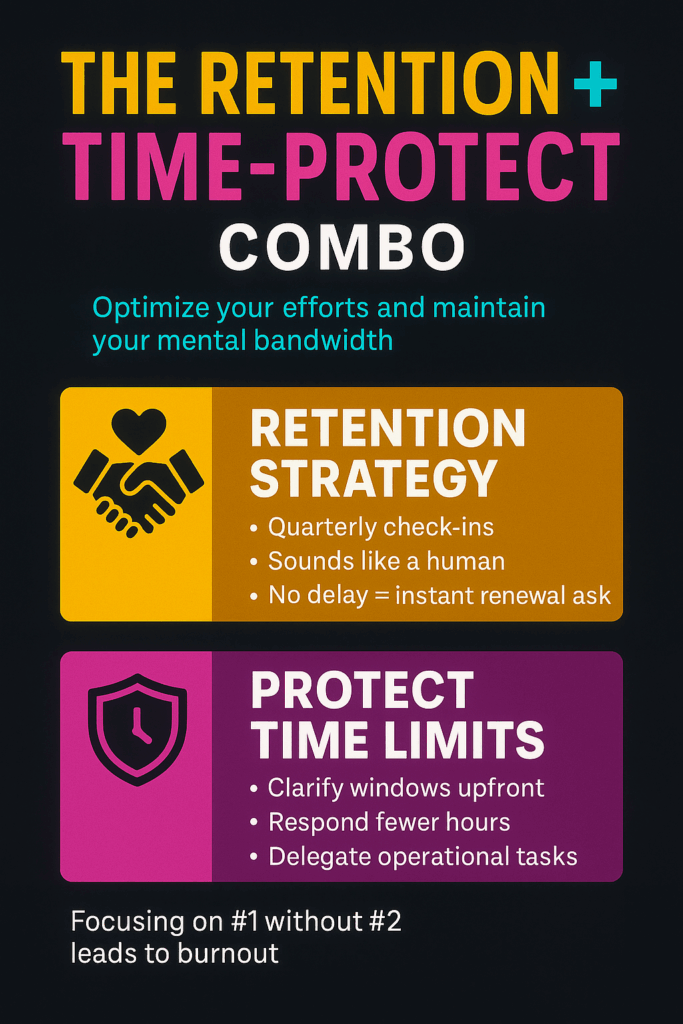
You don’t need perfect phrasing or professional training to keep tenants happy. You need:
- One main communication channel
- Quick acknowledgements
- Clear expectations
- Straightforward, respectful messages
- Occasional check-ins that aren’t about problems
When tenants feel heard, informed, and respected, they’re far more likely to renew—even if another rental down the street is offering shiny new features. Good communication is one of the cheapest, most effective retention tools a Texas landlord has.


