

This Content Is Only For Subscribers
Most landlords talk about upgrades in two contexts:
- When something breaks
- When they’re getting ready to sell
But if you’re holding single-family rentals in Texas for the long haul, there’s a third, often more profitable angle:

Upgrades that directly help you keep good tenants longer.
These aren’t vanity projects. They’re targeted, “retention-driven” upgrades—small and medium improvements planned on purpose to reduce turnover, justify reasonable rent bumps, and make renewal decisions easier for your tenants.
To do that well, you need more than good intentions. You need a budget and a plan.
Let’s walk through how to think about and budget for retention-focused upgrades like an investor, not just a handyman with a credit card.
Step 1: Decide How Much You’ll Invest Per Year, Per Door
Instead of waiting for inspiration (or complaints), decide:
- “How much am I willing to reinvest each year per property to keep this home competitive and tenants happy?”
That might be:
- A flat number, like $500–$1,000 per year per house, or
- A percentage of rent, like 5–8% of annual rent earmarked for improvements (not basic repairs)
Example:
- Rent: $2,000/month → $24,000/year
- 5% of rent = $1,200/year for planned improvements
You may not spend that exact amount every year. Some years you’ll do more, some less. But having a target keeps you from both overspending and neglecting the property until it’s way behind the market.
Step 2: Separate “Repairs” from “Retention Upgrades”
Your budget should distinguish between:
- Repairs – Fixing broken stuff (AC out, leaks, dead appliances). This is maintenance and should come from your normal operating expense/reserve bucket.
- Retention-driven upgrades – Improvements that make the home nicer, easier to live in, or more attractive, even if nothing is “broken.”
Examples of retention upgrades:
- Adding or upgrading ceiling fans
- Smart thermostat installation
- Replacing tired, mismatched light fixtures with clean, modern ones
- Modest landscaping that boosts curb appeal
- New cabinet hardware and faucets
- Installing keyless entry locks
None of these are emergencies. You’re choosing them because they:
- Make tenants more likely to renew
- Help justify modest rent increases
- Reduce the odds of a costly turnover in the near future
Step 3: Build a Simple 3–5 Year Upgrade Plan
Think of each property as having a short list of high-impact upgrades you want to tackle over the next few years.
A basic 3-year plan for a Texas single-family might look like:
Year 1: Comfort & Curb Appeal
- Add ceiling fans in bedrooms and living room
- Freshen up front landscaping and exterior light at the front door
Year 2: Interior “Feel”
- Swap outdated fixtures in kitchen and bathrooms
- Replace worn blinds with consistent, decent-looking ones
Year 3: Smart & Efficient
- Install a smart thermostat
- Upgrade oldest appliances if they’re near end of life
You’re not doing everything at once. You’re stacking improvements so that, each year, the property feels a little more updated and tenants see visible progress.
Step 4: Time Upgrades Around Renewal Opportunities
If retention is the goal, timing matters.
Ideal moments to roll out upgrades:
- A few months before renewal
- Use them to support a reasonable rent increase
- “We’re planning to add X and Y this year; renewed rent would be $____.”
- Between long-term tenants
- Use part of your turn budget for strategic upgrades, not just basic make-ready
- This helps attract strong new tenants and sets up future retention
Avoid dumping money into upgrades right after a tenant decides to leave. You’ll still do what’s necessary, but the “thank you” effect is gone.
Step 5: Evaluate ROI in Retention Terms, Not Appraisal Terms
You’re not remodeling to impress an appraiser; you’re investing to reduce turnover and strengthen cash flow.
Ask of each upgrade:
- “Will this noticeably improve day-to-day life for my ideal tenant?”
- “Can I connect this to a small rent bump, a higher likelihood of renewal, or both?”
- “Is this the best use of this $300–$800 compared to other potential improvements?”
Track results:
- Did upgraded fans and a smart thermostat help justify a $50/month higher renewal that your tenant accepted?
- After improving curb appeal and lighting, did the property lease faster and with better applicants?
- Did a couple of thoughtful improvements tip a “maybe” renewal into a “yes”?
Over a few cycles, you’ll see which types of upgrades consistently deliver retention benefits and which are just “nice to have.”
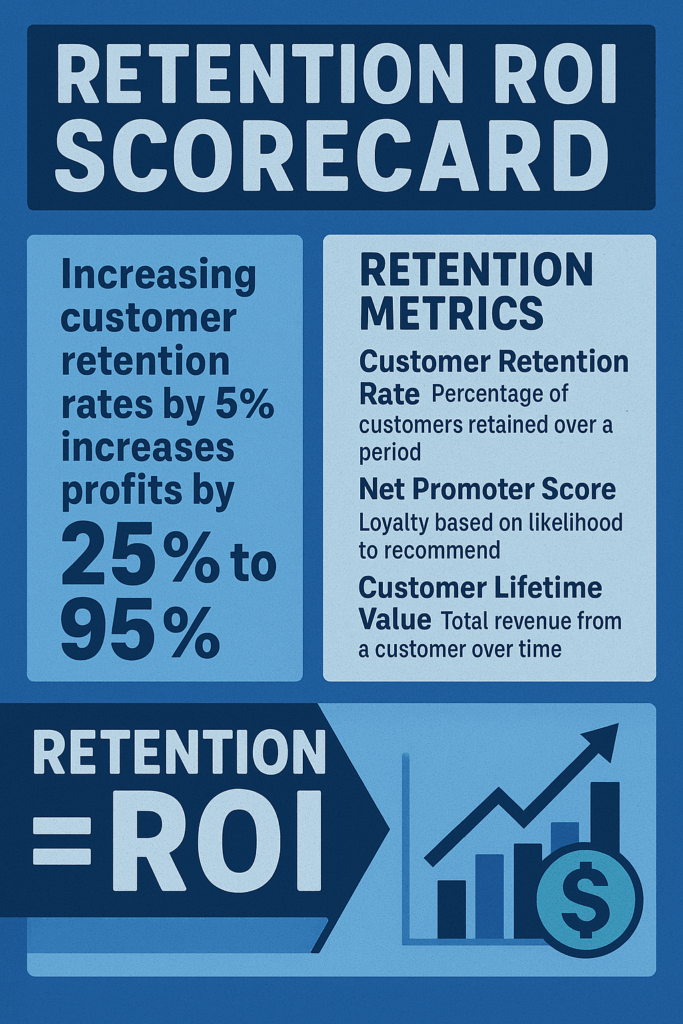
Final Thought: Treat Retention Upgrades Like Any Other Investment
Budgeting for retention-driven upgrades isn’t about spoiling tenants. It’s about:
- Spending $500–$1,500 at the right moment
- To avoid $5,000–$6,000 in vacancy and turnover
- While nudging rent and tenant satisfaction in the right direction
When you plan and budget for these improvements proactively, they stop feeling like random expenses and start looking like what they truly are:
Strategic investments that keep your Texas rentals full, competitive, and quietly compounding returns year after year.


